Contributing Writer – Merrit Hartblay
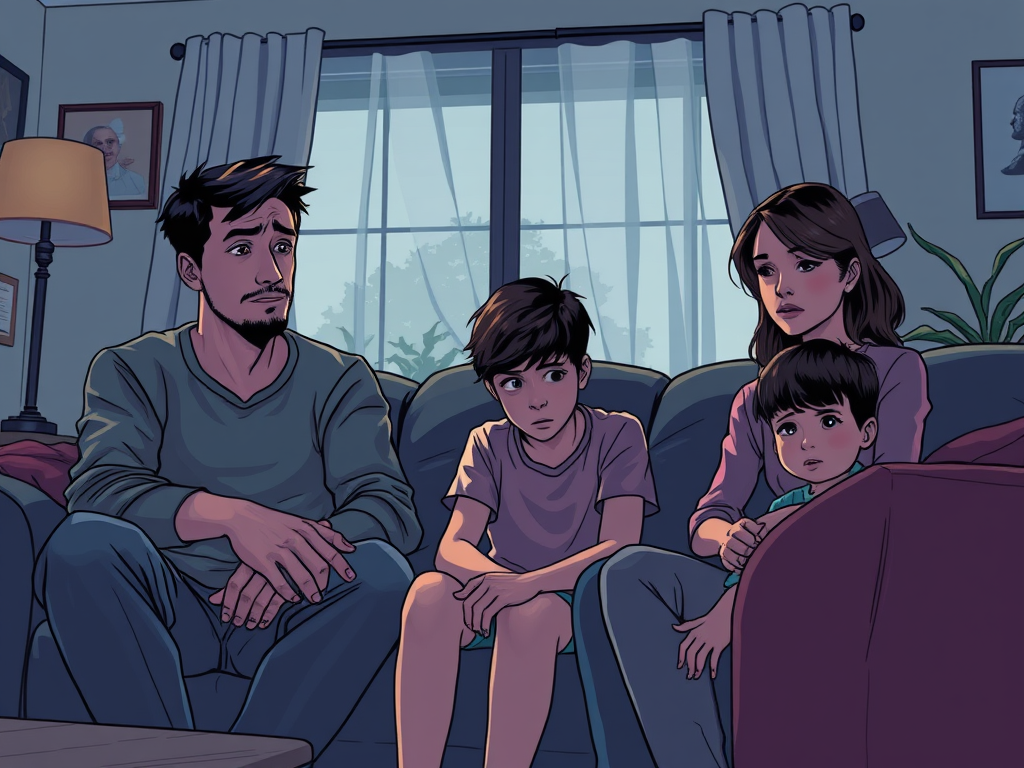
Addiction is often described as a “family disease” because it affects not just the individual struggling with substance abuse or behavioral issues but also the entire family unit. This concept highlights how addiction profoundly impacts family dynamics, relationships, and overall well-being. The nature of addiction is such that it creates a ripple effect, influencing not only the person suffering from the addiction but also their loved ones, who often bear the emotional and psychological consequences.
At the core of why addiction is considered a family disease is its ability to disrupt family relationships. Addiction alters the behavior and priorities of the addicted person, often leading to deceit, manipulation, and broken trust. Family members—especially parents, spouses, and children—are left to deal with the emotional turmoil that arises from living with someone struggling with substance use or compulsive behaviors. This emotional toll can include feelings of shame, anger, confusion, and helplessness, often causing relationships to become strained or even fractured.
The dynamic within a family system changes as each member adapts to the addiction. Family members may take on enabling roles, unintentionally allowing the addict to continue their behavior by covering up for them or providing financial support. Others may become codependent, where their own emotional well-being becomes entangled with the addict’s, often sacrificing their own needs to care for the addicted person. This can create a cycle of dysfunction that is difficult to break. Additionally, siblings or children may grow up in an environment where addiction is normalized, leading to emotional neglect or unhealthy coping mechanisms, such as anger or anxiety. These children may even adopt patterns of addiction themselves as they seek ways to manage the chaos in their home.
Furthermore, addiction can lead to neglect or abuse, especially in homes where the addicted person’s behavior becomes erratic or unpredictable. This can have devastating consequences for children, who may suffer emotional or physical harm, neglect, or an unstable environment. In some cases, children of addicted parents are more likely to develop substance use disorders themselves, perpetuating the cycle of addiction from one generation to the next.
The idea that addiction is a family disease also underscores the importance of family involvement in the recovery process. Treatment for addiction that includes family therapy can help repair relationships, address the root causes of addiction within the family dynamic, and provide the support needed for both the addict and their loved ones. Recovery is not just about the individual but about healing the entire family system. When family members are educated about addiction and understand their roles in the cycle, they can better support their loved one in recovery and create a healthier, more resilient family environment.
In conclusion, addiction is a family disease because its effects extend far beyond the person struggling with substance use or behavioral issues. It impacts family dynamics, strains relationships, and can cause long-term emotional and psychological harm. However, with the right support and treatment, families can begin to heal, rebuild trust, and break the cycle of addiction that has affected them for so long.

Merrit Hartblay, is the author of the best selling book, “Lost Innocence: My journey from addiction to recovery”, and host of the Podcast, “Recovery Road“. He is a Therapist, Social Worker and Chemical Dependency Counselor. Merrit provides counseling for individuals and families struggling with substance abuse and addiction issues. He is also a Lecturer for Outreach Training Institite (OTI), the largest CASAC training program in New York State. Merrit also works closely with high school and college students and lectures several times a year at Binghamton University. Merrit is on the Advisory Board for Drug Free Long Island, and provides talks on suicide prevention and intervention.

Leave a Reply