Founder and Contributing Writer – Jason Mayo
The journey of recovery and mental health advocacy has evolved dramatically over the past few decades. Today, peer support is at the heart of this change, and it’s amazing to see just how many people are stepping up to make a difference. I spent three decades in advertising, and if you’d told me back then that one day I’d be using my experience with substance use and mental health to help others, I’d probably have laughed it off. Yet, here I am, sober since 2010 and grateful to be part of a growing field that values real-life experience as a powerful tool for change.
A Bit of History: The Roots of Peer Support
Right now, I’m deep into training for another peer certification, this time focused specifically on mental health. One of the units I’m working on, called “Peer-Delivered Service Models,” dives into the history and evolution of peer support, so I feel extra informed. The concept of peer support isn’t new. The origins of peer-based recovery go back as far as Alcoholics Anonymous (AA) in the 1930s, which was built on the idea that those who’ve “been there” are uniquely equipped to help others facing similar struggles. There was something so radical about people from all walks of life, sharing openly, and holding each other accountable in a safe, stigma-free environment. This laid the groundwork for what we now know as peer support—an approach that’s expanded far beyond AA to include a wide range of mental health and recovery support systems.
Peer support became formalized in the behavioral health system over the last 20 years, especially as the benefits of a more personal, human connection gained recognition. Today, peer advocates are an official part of the healthcare team in many places, bridging the gap between clinical treatment and the personal, day-to-day struggles that come with recovery. People who have been through the rough patches themselves can often connect in a way that a clinician, however skilled, simply can’t. This is why peer support has become not just helpful but essential within behavioral health.
Why Peer Support Works
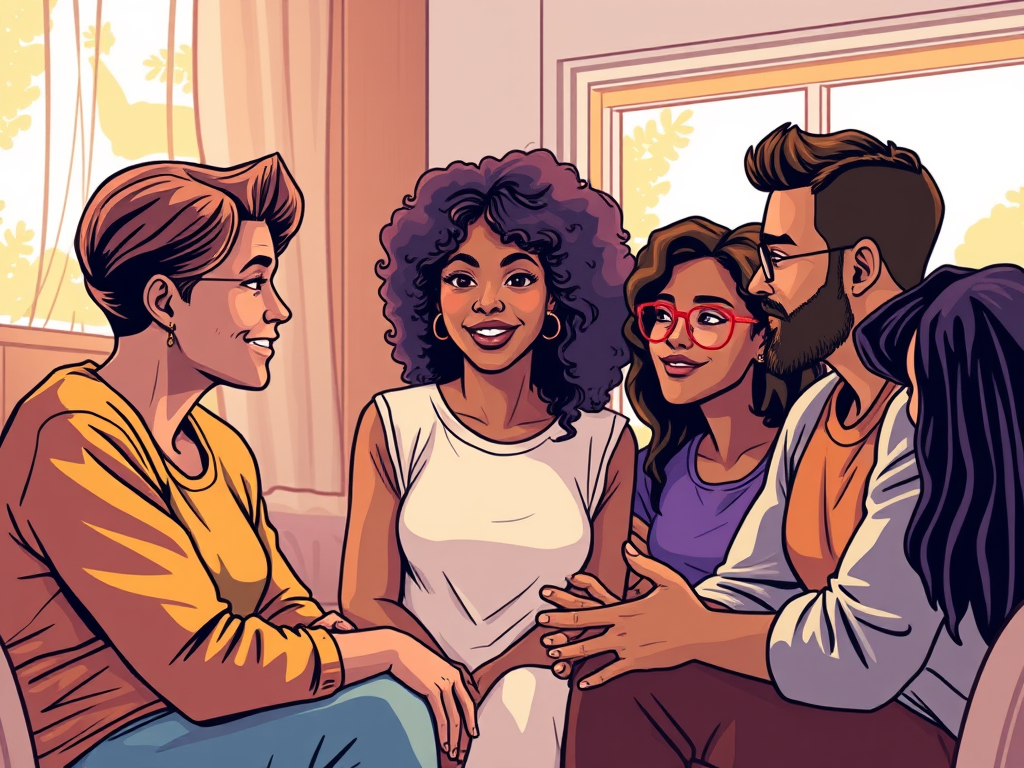
There’s a saying in the recovery world that “the opposite of addiction isn’t sobriety—it’s connection.” At the core, that’s what peer support is all about. It’s about connecting with someone who gets it, without judgment or a clinical agenda. In my own experience, I can remember times when a kind word from someone who knew exactly what I was feeling made all the difference. We’re social creatures, and knowing we’re not alone in our darkest hours gives us hope and courage.
Peer support also helps break down the stigma surrounding mental health and addiction, especially since peer advocates are open about their experiences. When we openly share, we chip away at stereotypes and show that recovery is possible. People are often more likely to engage in treatment and stick with it when they see firsthand proof that there’s a path forward, shared by someone who’s walked it.
Peer Support in Many Forms: More Than Just Mental Health and Substance Use
Many agencies now actively seek peer advocates, recognizing that our unique ability to relate personally can be as valuable as clinical training. Programs are popping up that train peers to work alongside traditional healthcare providers, creating a more holistic approach to treatment. This growth is a testament to the power of lived experience and a sign that the world is moving towards a more inclusive, compassionate model of care.
One of the things I’m learning through my training is that peer support isn’t limited to mental health or substance use—it’s a concept that applies to so many life challenges. With mental health needs on the rise, particularly after recent global challenges, there’s a greater demand than ever for compassionate, relatable support. Peer support roles are expanding across healthcare, social services, community organizations, and even schools. For example, there’s peer support for people managing chronic physical health conditions, like diabetes or cancer, where connecting with someone who’s been through similar treatments or struggles can make a huge difference in staying motivated and hopeful.
There’s also peer support in areas like veteran services, where people can connect with others who’ve experienced the unique challenges of military life. In parenting, there are peer groups to support parents raising children with special needs or those who have experienced the loss of a child. Some communities even have peer mentors for those reentering society after incarceration, helping individuals navigate the process of rebuilding their lives.
Seeing all these different models reminds me that personal experience is valuable in countless ways. It’s incredible how diverse the peer support field has become and how many lives it touches by simply connecting people who “get it” through lived experience. For anyone who’s considering a career in peer support, it opens up a world of possibilities for turning personal experiences into a powerful form of service.
Is Peer Support a Good Career Choice?
If you have a passion for helping others and a willingness to share your own journey, peer support can be incredibly rewarding. I can say firsthand that I didn’t see this career change coming, but it’s given me a profound sense of purpose. Helping others navigate recovery has become a huge part of my life’s mission, and it feels good to use my experience to make a difference.
Many people find the role therapeutic, too. There’s a mutual benefit in peer work; while you’re supporting others, you’re also reinforcing your own recovery and learning every day from those you help. And for those who might be considering a career shift, like I did, peer support offers training, certification, and community—all of which help you develop professionally while staying close to your own recovery journey.
The Next Chapter
When I look back, I’m amazed at how little I knew about peer advocacy before. My world back then consisted mainly of the rooms of AA, which were invaluable but small compared to what I’ve since discovered. Now, I’m part of a vast, supportive network of peers who are passionate about creating change. Whether it’s at community events, in hospitals, or through online networks, peer advocates are out there proving that recovery is possible, even if it looks different for each of us.
If you’re considering a career in peer support or are simply curious about this field, I can’t encourage you enough to explore it. There’s nothing quite like connecting with others who are on the same path and realizing that your darkest days can serve as a beacon for someone else. At 53, I feel incredibly lucky to be part of this movement and excited for all the ways it will continue to grow. After all, we’re living proof that recovery is possible—and that our stories matter.
Explore Peer Support Resources
If you’re interested in exploring a career in peer support or just want to learn more about the field, I invite you to check out the peer support section on our website. We’ve gathered a wealth of resources to help you get started on your journey as a peer advocate. Together, we can make a difference!

Jason Mayo is the creator and founder of Sober Not Subtle. He is a certified recovery peer advocate in New York. Before working in recovery, Jason was owner and executive producer of award winning visual effects and animation companies in NYC.
He currently writes for The Sober Curator, has been a contributing writer for the Forbes Business Council, creator of the popular Dad blog Out-Numbered, and author of the children’s books, “Do Witches Make Fishes?” and “The Boy and the Billy Goat.” His debut memoir, In Case of Emergency, Break Childhood is due out Fall 2025.
Jason has been sober since March 25th, 2010.


Leave a Reply