Contributing Writer – Jason Mayo
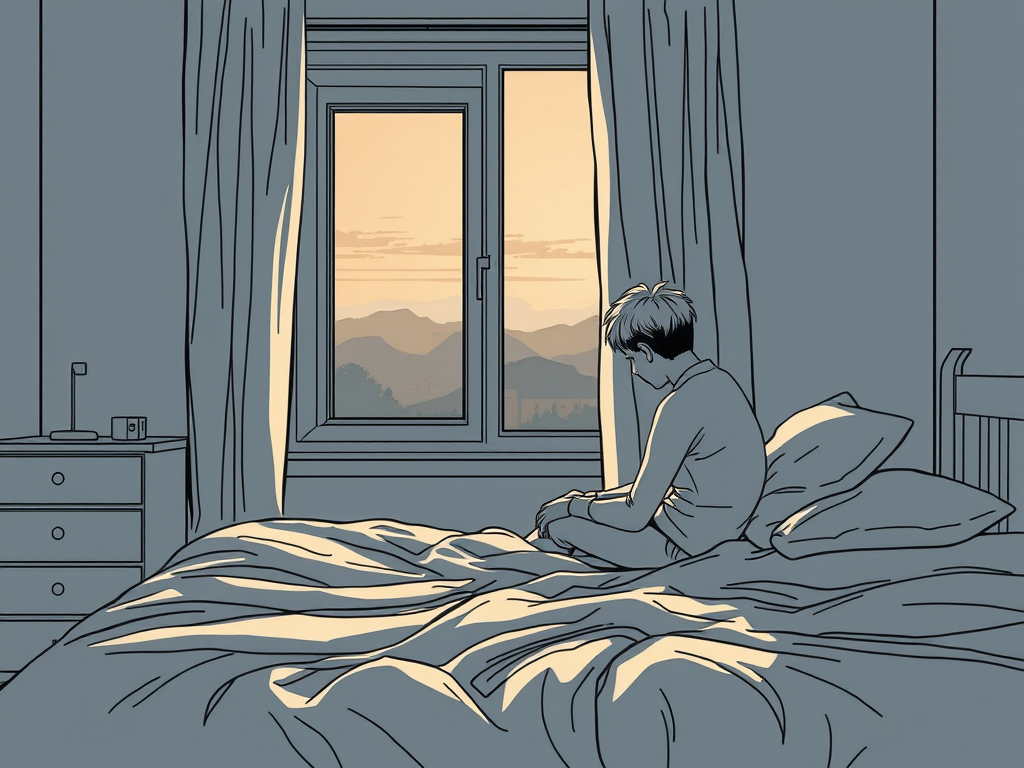
The thing about depression: it sneaks in like a country mouse, twisting and contorting itself to slip through the tiniest cracks. It’s relentless, like a water leak that inevitably finds another passageway after you’ve sealed the first point of entry. When depression comes, it doesn’t announce itself or ask permission.
You can’t always jump out of bed, look in the mirror, and pep-talk yourself with a cheery, “Hey kiddo, you got this.” Depression isn’t something you can explain, see coming, or switch off. Even medication isn’t foolproof. There’s always a chink in the armor, that exposed half-inch above the bulletproof vest.
Sometimes, depression doesn’t last long. You might not draw the blinds and pull the covers over your head. Instead, you push yourself. You force that smile or half-hearted laugh to keep people from asking questions you don’t feel like answering.
But I’m sober. This isn’t supposed to happen in sobriety, right?
Sobriety and the Myth of Emotional Immunity
When I got sober, I thought depression would pack its bags and leave. After all, wasn’t that part of the “cash and prizes” of recovery? A fulfilling life free from the shackles of addiction. And yet, here I am—sober, doing all the right things, and still feeling like shit some days.
On Thanksgiving, I felt emotionally exhausted. I sat at the table surrounded by family and friends. My kid was home from college, and we had spent the week going out for coffee, catching up on Netflix, and seeing Wicked. By all accounts, life was good. Work has been low-stress and fulfilling. My creative outlets—writing, playing video games with friends, going to concerts—are firing on all cylinders. So why did I feel so off?
An old sponsor once said to me, “It’s okay to get in a rut; just don’t decorate it.” But let’s be honest: depression can be sneaky. It wants you to hang some curtains, light a candle, and make that rut feel like home. It whispers, “You know what this place needs? A throw pillow from HomeGoods.” He also said, “It’s okay to feel like shit in sobriety.” Those words come back to me whenever depression sneaks in. Sobriety doesn’t mean you’re immune to feeling bad; it means learning how to face it.
Learning to Feel Bad
Something else I’ve heard in recovery has stuck with me: “We didn’t get sober to learn how to feel good; we got sober to learn how to feel bad.” Let that sink in for a moment.
Sobriety isn’t about escaping negative emotions; it’s about confronting them head-on. In my using days, I would numb myself with alcohol and drugs, avoiding pain, sadness, and discomfort. Now, I process those feelings. It’s not easy, but I’ve learned that depression, no matter how overwhelming, is temporary. It always passes—if I give myself the time to let it.
What Helps Me Navigate Depression in Sobriety
When I’m in a rut, I remind myself that I’m not alone. I lean on the tools that sobriety has given me:
- I Write About It
Writing is one of my outlets. Putting my thoughts into words gives me clarity and a sense of release. - I Talk About It
I reach out to my sponsor, therapist, or even my supervisor at work. Sometimes, just saying, “I’m feeling off,” makes it feel less isolating. My supervisor encourages me to take a mental health day if I need it, which has been a gift. - I Give Myself Permission to Feel Bad
There’s no need to fight it or fake it. I sit with the feelings, knowing they’ll pass. - I Stay Connected
Meetings, conversations, and sharing my struggles remind me that I’m not alone in this journey. - I Avoid “Decorating the Rut”
When Black Friday and Cyber Monday came around, it would’ve been easy to lose myself in shopping as a distraction. But I’ve learned to try and avoid using external fixes to cover internal discomfort.
This, Too, Shall Pass
Sobriety has taught me that emotions are like waves—they rise, peak, and eventually recede. Depression is no different. I’ve been here before, and I know I’ll come out on the other side.
If you’re in sobriety and feeling like this, know you’re not alone. Depression doesn’t mean you’re failing. It means you’re alive and learning how to navigate the full spectrum of human emotions—good and bad.
Sobriety isn’t about avoiding these moments; it’s about learning to sit with them. I know this rut won’t last forever, and I’m not planning to make it my home. Depression may sneak in through the cracks, but I’ve got tools to deal with it. I’ll let myself feel bad, but I’ll also keep moving forward—no throw pillows required.

Jason Mayo is the creator and founder of Sober Not Subtle. He is a certified recovery peer advocate at THRIVE Recovery Community and Outreach Center in New York. Jason currently holds the position of Community Outreach Coordinator of the THRIVE Everywhere Program – a community-based recovery supports program that offers free, non-clinical activities, workshops, and events.
Before working in recovery, Jason was owner and executive producer of award winning visual effects and animation companies in NYC.
He currently writes for The Sober Curator, has been a contributing writer for the Forbes Business Council, creator of the popular Dad blog Out-Numbered, and author of the children’s books, “Do Witches Make Fishes?” and “The Boy and the Billy Goat.”
Jason is passionate about advocating for people living with substance use disorder and mental health issues. His goal is to use humor, creativity, and lived experience to make a positive impact on the world.
Jason has been sober since March 25th, 2010.

Leave a Reply