Contributing Writer – Sandra Smith
I have had anxiety since I was a child and have been interested in a holistic approach to health and meditation for years. However, I also waited until my anxiety was out of control before beginning to meditate regularly. I was on the verge of full-blown panic attacks during the day and was waking up out of a sound sleep with panic symptoms. Over the years I have been on the verge of panic attacks many times, but I had never woken up in the middle of the night. I learned that this is called a nocturnal panic attack. These events cause symptoms like any panic attack. Some of the symptoms are sweating, rapid heart rate, and fast breathing, but because you were asleep when they began, you may wake up disoriented or frightened by the feelings. For me, it felt similar to waking up from a nightmare, but worse. Also, when they say frightened, I would change that word to terrified; the feeling of panic is more than being frightened. The physical symptoms also linger and it is very hard to go back to sleep when you are startled awake by a nocturnal panic attack.
Anxiety disorders affect 40 million adults in the United States for people 18 years of age and older. This is 18.1% of the population, so I know that I am not alone. I have seen many primary care physicians and several psychiatrists over the years and not one of them suggested I give meditation a try. They also didn’t inquire about alcohol use, which in my case was exacerbating my anxiety.
The Mayo Clinic posts online in an article from April 15, 2020 the following quote. “Research has found that meditation may help reduce symptoms of anxiety and depression. When combined with conventional medicine, meditation may improve physical health.” Meditation has been described as a type of mind-body medicine and it has been practiced for thousands of years.
I started my meditation practice in 2020 and a few months later I stopped drinking alcohol. Having this tool gives me moments of confidence and peace. Meditation is now part of my recovery plan and I do it daily.
The first step is to make a commitment and give yourself time to learn how to meditate. Meditation takes practice and requires consistency to experience the benefits. If your nervous system is as “excited” as mine was, it may take you longer to find a calm, peaceful state of mind. I suggest you dedicate at least a month to this commitment before throwing in the towel. It takes 21 days to make or break a habit, so at the very least try it for three weeks.
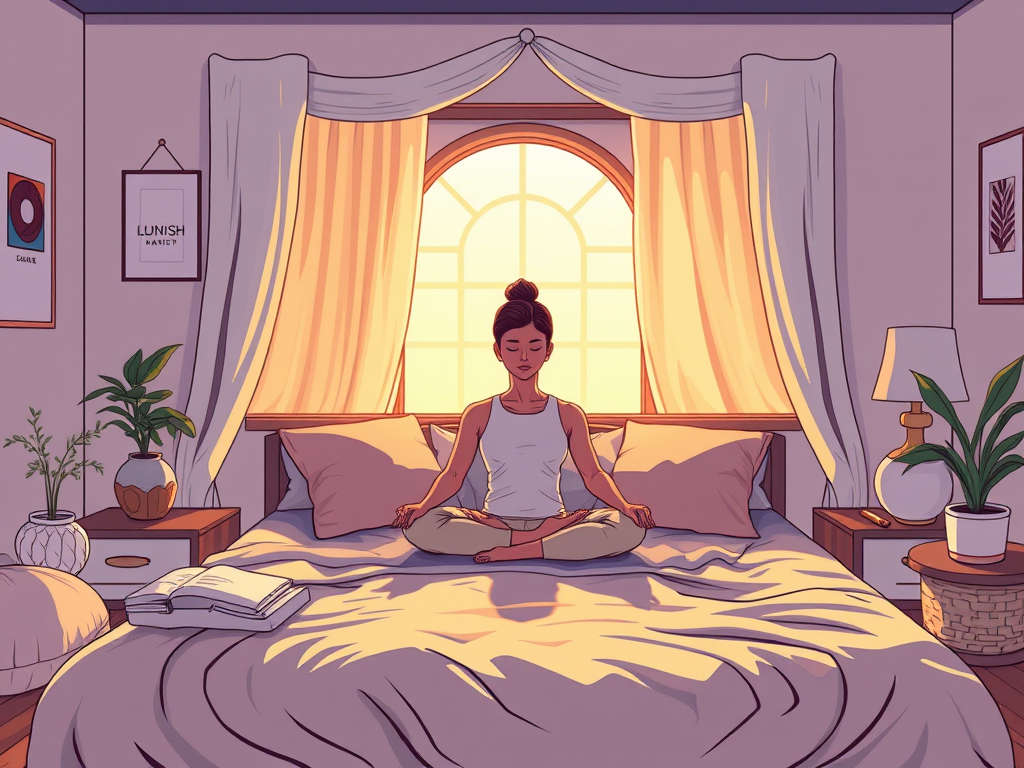
Once you have made a commitment, carving out the time and making space in your daily routine is the next step. Since meditation can be done lying down; an easy place to start meditating is in your bed right before you go to sleep. If you sleep in on the weekends but take a nap, this is also a good time to try a meditation. Alternatively, if you would like to start with a more active meditation, you could begin with what is called a walking meditation which is done while awake and taking a walk. Meditation can be done anywhere at any time so you can be creative in what works for your schedule. You do not need a waterfall, rooftop, beach or a cliff during sunrise or sunset, although that does make for a romantic picture.
I suggest you start with a guided meditation that is 10 minutes in length and work towards longer meditations after you create a routine. You can find a huge variety of topics for free guided meditations online. Pick a topic you are comfortable with in the beginning and choose a voice and style you like. The guided meditations remove all pressure. All you have to do is listen and follow the guidance.
The more frequently you meditate the easier it becomes. Your “meditation muscle” will get stronger the more you use it. With practice it becomes easier to slow down any intrusive thoughts that pop up while trying to quiet your mind. It also gets easier to relax your nervous system and muscles. In my opinion, it is better if you meditated for 10 minutes 5 days a week, than to meditate one time a week for 1 hour. In four weeks, you would have 20 sessions completed compared to four sessions.
If you want tools to help you stay engaged you can find a friend who will start their own journey into meditation with you. You could also take a class or workshop or conduct research on the internet. There are many meditation apps you could utilize. My favorite is Headspace.
I find that the reasons that pull us away from starting or continuing the practice of meditation are the very reasons why we need to meditate. These can be reasons like a crazy work schedule, hectic family life, family conflict or any other catalyst for stress in our lives. When your mind and body reach the point of extreme stress, it can be hard to slow down and sit or lie down quietly and try to clear your mind. If your mind was clear, it would be easier to sit quietly and clear your mind; which is how meditation works over time.
Have fun with your journey. It is called meditation practice, not meditation perfect. ”Starting where you are is the only point for beginning,” states Celine DeRohan in her book Right Use of Will. The more time and energy you devote to your practice, the better you will become.

Sandra Smith is a contributing writer for Sober Not Subtle. Sandra is a life coach, grief counselor, and sober coach dedicated to helping others navigate life’s challenges with compassion and support. Based in North Carolina, she finds joy spending time with horses and her daughter. A passionate advocate for holistic living, Sandra enjoys vegetarian cooking and has recently taken up brewing her own kombucha. With dreams of owning a hobby farm one day, she embraces a mindful and intentional lifestyle.
Sandra holds a B.S. in Psychology from the University of Misericordia and an MBA in Business Administration from the University of Arizona. Through her coaching practice, Waves of Love, she provides guidance for those seeking healing, personal growth, and sobriety. Follow Sandra on her social media accounts below:

Leave a Reply