Guest Contributor – Timothy Moylan
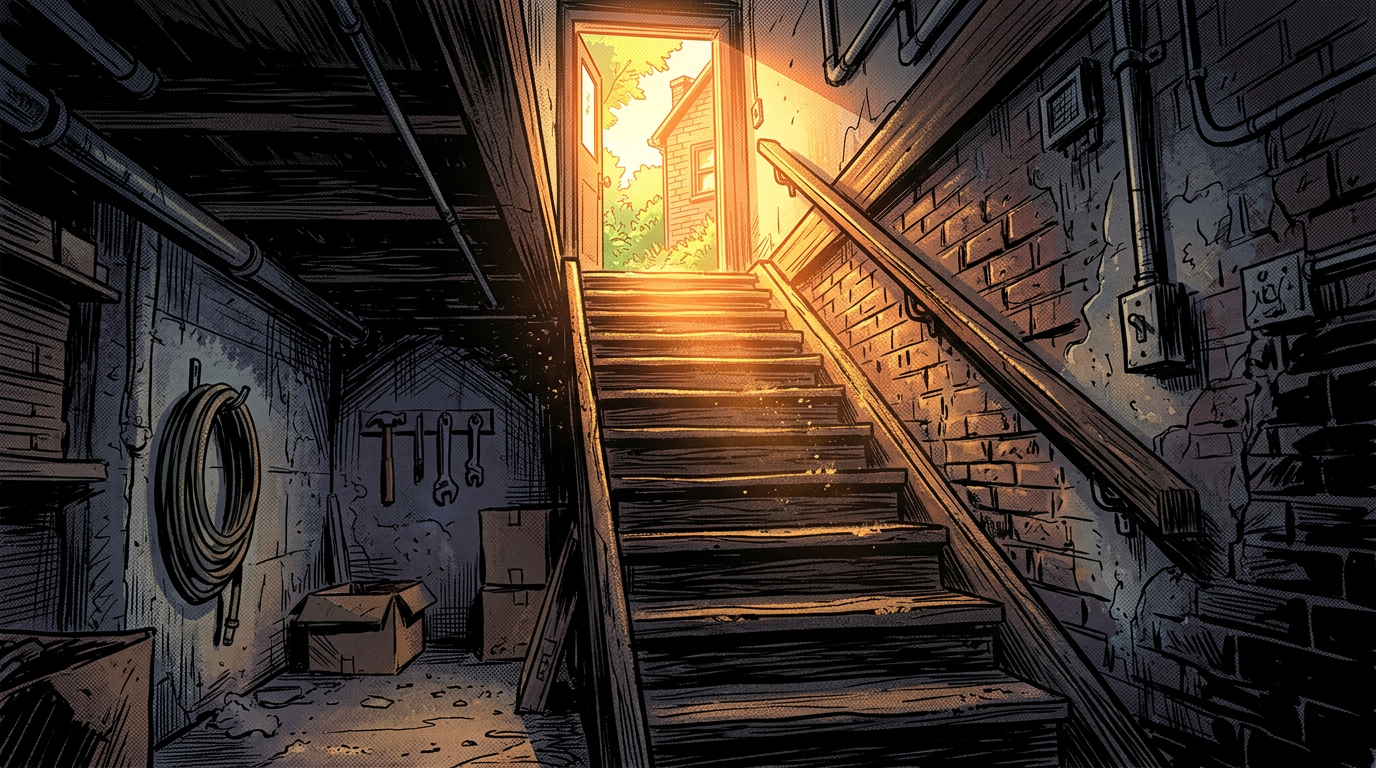
People talk about rock bottom as if it is a single place. You hit it, wake up, make a decision, and begin climbing. My experience was different. Every time I thought I had reached the bottom, I found another level underneath it.
That is where the title of my memoir, Rock Bottom Has a Basement: From the Bottle to Borrowed Time, came from. Alcoholism did not destroy my life all at once. It took things a piece at a time – my judgment, my honesty, my health, my relationships, and eventually my belief that I could become someone different. The basement was not one terrible night. It was the slow realization that I could keep falling long after I thought there was nowhere lower to go.
The Life I Was Trying to Escape
I grew up in Ainsworth, Nebraska, the youngest of seven children in a Catholic family. From the outside, there were many reasons my life should have turned out well. But addiction does not care how you were raised, what people expect from you, or how much potential you once had. Alcohol became my way of escaping uncomfortable feelings, consequences, fear, and eventually myself.
For years, I could point to the parts of my life that still looked normal and use them as evidence that I was fine. I worked. I had people who loved me. I could laugh, tell stories, and convince others – and sometimes myself – that things were under control. But alcoholism is patient. It lets you believe you are managing it while it quietly takes over the management of your entire life.
There were legal troubles, broken trust, and promises I meant when I made them but could not keep. The shame grew alongside the drinking. I drank because I felt ashamed, and then I felt ashamed because I drank. That cycle became so familiar that I stopped imagining another way to live.
Borrowed Time
In 2017, my body finally said what I had refused to admit: I could not continue this way. I suffered heart and lung failure. My heart’s ejection fraction was estimated at only five to ten percent. I developed pulmonary edema and was flown by helicopter to Great Falls, Montana.
There is nothing abstract about mortality when you are lying in a hospital bed and your heart is barely functioning. The consequences are no longer somewhere in the future. They are in the room with you.
But even a near-death experience does not magically cure addiction. Fear can get a person’s attention, but fear alone cannot build a life. I needed honesty, accountability, faith, recovery, and the willingness to accept help. I needed to stop asking how much I could get away with and start asking what kind of man I wanted to become.
Recovery Gave Me More Than Sobriety
Getting sober was not simply removing alcohol. It was learning how to live without hiding. Recovery asked me to tell the truth when a lie would be easier, to make amends without controlling the response, and to show up consistently even when I did not feel strong or inspired.
My wife, Kayla, and our daughters, Elizabeth and Camilla, are at the center of the life I have today. I cannot rewrite the past, but I can decide what they experience from me now. I can be present. I can be dependable. I can let my daughters know the father who came home, stayed, and kept doing the work.
Faith also became something more practical than a word. It became the willingness to believe that my life still had a purpose, even after everything I had done and everything that had happened to me. Recovery meetings and the fellowship of people who understand addiction taught me that I did not have to carry shame alone. Accountability stopped feeling like punishment and began to feel like freedom.
Today, I am a husband, a father, and the owner of Shelby Paint and Hardware in Shelby, Montana. My life is not perfect, and recovery has not made me immune to fear, frustration, health problems, or regret. What it has given me is a way to face those things without reaching for a bottle.
Why I Put It on the Page
Writing this book took about sixteen months. Most nights, after my family had settled in, I wrote for thirty to forty-five minutes. Some memories came easily. Others made me want to close the computer and never open it again. Writing honestly meant revisiting the parts of my life I had spent years trying to forget.
I did not write Rock Bottom Has a Basement because I had everything figured out. I wrote it because I survived, and survival creates a responsibility to tell the truth when that truth might help someone else.
I wanted people struggling with addiction to recognize themselves without feeling condemned. I wanted families to understand that loving someone with alcoholism can be heartbreaking, complicated, and exhausting. Most of all, I wanted readers to know that reaching a terrible place does not mean the story is over.
The greatest surprise has been hearing from readers who do not share my exact history but recognize the emotions underneath it: shame, fear, isolation, regret, and the longing for another chance. Addiction may be part of my story, but the need for redemption belongs to all of us.
The Climb Is Made One Step at a Time
I once believed that changing my life required one enormous, heroic act. Recovery taught me something less dramatic and far more useful: a life is rebuilt through small choices repeated over time.
Tell the truth today. Ask for help today. Attend the meeting today. Make the phone call today. Apologize without defending yourself. Keep one promise. Then wake up and do it again.
If you are in the basement right now, I will not insult you by pretending the stairs are easy. They are not. Some days you may only make it to the first step. Some days the victory is simply refusing to go any lower.
But there are stairs. There is help. There is a life beyond the one addiction has convinced you is permanent.
I am living on borrowed time, but I no longer see that as a sentence. I see it as a gift – one ordinary, sober day at a time.
About the Author
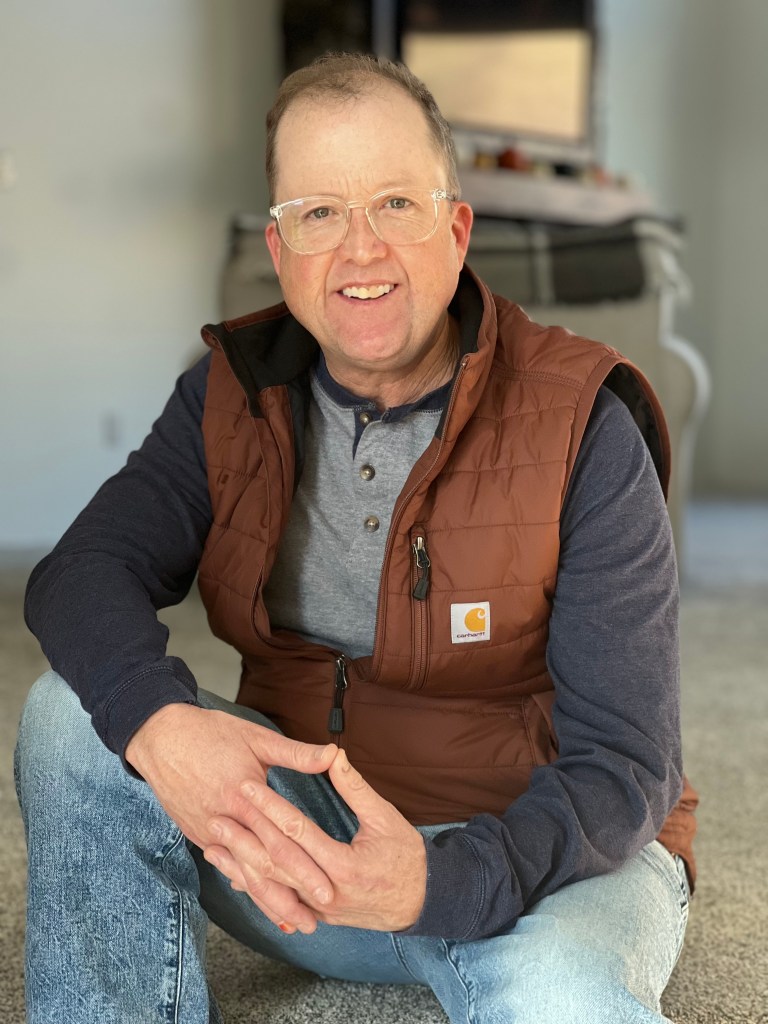
Timothy Moylan is the author of Rock Bottom Has a Basement: From the Bottle to Borrowed Time. A husband, father, business owner, and recovering alcoholic, he lives in Shelby, Montana, with his wife, Kayla, and their two daughters. Through his memoir, interviews, podcasts, and recovery outreach, Timothy shares an honest message: no matter how far someone has fallen, the story does not have to end at rock bottom.
Leave a Reply